-
- Regular cleaning
- Inspect the appearance
- Temperature monitoring
- Check the connector
- Insulation Testing
- Fastening connector
- Moisture-proof treatment
- Load Monitoring
- Inspect protective measures
- Recording and Archiving
- Professional maintenance
- Train relevant personnel
Daily Maintenance and Upkeep of Busbar Trunking Systems
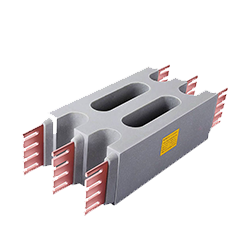
Beto Ba As a critical power distribution device in electrical systems, the routine maintenance and upkeep of busbar trunking systems are essential for ensuring stable system operation, extending equipment service life, and preventing safety incidents. Life is of paramount importance.
Cleaning cycle : According to the cleanliness of the environment and Beto Ba Regarding the operation of busway systems, it is recommended to conduct an inspection at least once per quarter. Complete Cleaning. In environments with heavy dust or severe industrial pollution, the cleaning frequency should be shortened to once a month.
Cleaning method : Gently wipe with a dry, lint-free soft cloth or a vacuum cleaner. Beto Ba Do not use wet cloths or chemical solvents on the busbar trunking surface to prevent corrosion or short circuits. Pay particular attention to cleaning the ventilation openings and heat sinks of the busbar trunking to ensure effective heat dissipation.
Overall Check : After each cleaning, one should… Beto Ba The busbar trunking enclosure is carried out. Overall Inspect for signs of deformation, dents, cracks, or corrosion. Pay particular attention to sources of mechanical vibration near the installation location to prevent long-term vibration from loosening or damaging the enclosure.
Connection point : Carefully check Beto Ba Check whether the bolts, nuts, and other fasteners at the busbar trunking connections are loose. If any are found to be loose, tighten them immediately with the appropriate tools and apply an adequate amount of anti‑loosening compound.
Monitoring tool : Use a high-precision infrared thermometer to periodically inspect Beto Ba Perform temperature monitoring of busbar trunking systems and their connection points, particularly during peak load periods.
Exception Handling If an abnormal local temperature rise is detected, the equipment should be shut down immediately for inspection. Possible causes include poor contact, overload operation, or insulation damage; appropriate measures must be taken based on the specific circumstances.
Visual inspection : Inspect the joints for signs of overheating and discoloration, thickened oxidation layers, or discharge marks—these are all indicators of joint aging or poor contact.
Contact Resistance Test : Regularly perform contact resistance tests on critical connections to ensure good contact and reduce heat generation and energy losses caused by poor contact.
Regular testing : In accordance with the requirements of the electrical safety regulations, regularly conduct inspections of Beto Ba Perform an insulation resistance test on the busbar trunking system to assess whether its insulation performance meets the specified requirements.
Record Analysis : Compare test results with historical data, analyze trends in insulation performance, and promptly identify and address potential insulation issues.
Regular inspection : Inspect and tighten during each maintenance. Beto Ba All connections of the busbar trunking system shall be ensured to be secure and free from looseness.
Tool Usage : Use the correct tools for tightening to prevent damage caused by over-tightening or malfunctions due to insufficient tightening.
Environmental Control : Install in a humid environment Beto Ba When installing busway systems, additional dehumidification equipment should be installed, or other moisture‑proofing measures should be adopted, such as applying a moisture‑barrier layer or using moisture‑resistant materials.
Regular inspection : Regular inspection Beto Ba The humidity levels inside the busbar trunking system and in its surrounding environment should be monitored; any abnormalities must be addressed promptly.
Real-time monitoring : Real-time monitoring via the power monitoring system Beto Ba Ensure that the busbar trunking system operates within its rated load range.
Overload protection Set appropriate overload protection parameters so that the power supply is automatically disconnected or an alarm signal is issued when the load exceeds the rated value.
Integrity Check : Check Beto Ba Are the busbar trunking system’s cover plates, protective grilles, and other safety devices intact and undamaged? If any are missing or damaged, they should be replaced promptly.
Safety Warning : in Beto Ba Install conspicuous safety warning signs and isolation measures around the busway to prevent unauthorized personnel from accidental contact.
Detailed record : Maintain detailed records of the content and timing of each maintenance activity, any issues identified, and the outcomes of corrective actions, including information on the tools, materials, and personnel involved.
Establish a file : Establish Beto Ba Busway maintenance and inspection records facilitate future review and analysis, providing robust support for the equipment’s long-term stable operation.
Regularly arrange : According to Beto Ba The usage conditions of busbar trunking systems and manufacturer recommendations call for regularly engaging a professional maintenance team to perform… Overall Inspection and maintenance.
Professional training : Encourage and support the maintenance team in attending professional training courses and technical exchange conferences to continuously enhance their expertise and service standards.
Basic Knowledge : On Use and Management Beto Ba Personnel responsible for busbar trunking systems shall undergo basic training, covering the system’s structure, operating principles, and safety procedures.
Maintenance skills : Impart fundamental maintenance skills and precautions, such as cleaning methods, inspection checklists, and troubleshooting common malfunctions.
Emergency Response : Trainees will be able to respond promptly and take appropriate measures in emergency situations, ensuring the safety of personnel and equipment.
SUBSCRIPTION INFORMATION
Product Categories
Contact Us
Address: No. 735, Xinling Road, Shiqi, Panyu District, Guangzhou City, Guangdong Province


WeChat Official Account
Copyright © 2024 Betoba (Guangdong) Electric Power Technology Co., Ltd. All Rights Reserved. Power:www.300.cn SEO license